

In today’s digital age, ensuring the security of your online activities has never been more crucial. With the constant threat of cyberattacks and data breaches, a Virtual Private Network, or VPN, can be your best ally in maintaining privacy and protecting personal information. One of the easiest ways to experience the benefits of a VPN is through a 24-hour free trial, allowing you to explore its features without any financial commitment.
Getting started is simple. With just a few clicks, you can install your VPN and begin enjoying secure and encrypted browsing. This guide will not only walk you through the installation process but also explain how a VPN encrypts your connection, safeguarding your data from prying eyes. Whether you’re using public WiFi or just want an added layer of protection, exploring a VPN through a free trial is a smart choice to secure your online presence. Let's dive in and discover how you can enhance your internet privacy today.
Understanding VPN Encryption
VPN encryption is a crucial element in ensuring your online activities remain private and secure. When you connect to a VPN, it creates a secure tunnel between your device and the internet. This tunnel encrypts your data, making it unreadable to anyone who might intercept it, such as hackers or snoopers on public WiFi networks. By scrubbing your data of personal identifiers and protecting it with robust encryption protocols, a VPN helps safeguard your sensitive information.
The process of encryption involves transforming your data into a code that can only be deciphered by someone with the correct decryption key. VPNs utilize various encryption standards, such as AES-256, which is considered highly secure. This means that even if someone tries to capture your data while you're online, they would only see an indecipherable jumble of letters and numbers instead of your actual information. This ensures that your browsing habits, login credentials, and other personal details remain concealed.
Using a VPN not only protects your data from potential threats but also shields your browsing activity from your Internet Service Provider. With a VPN, your online behavior is obscured, making it difficult for ISPs and advertisers to track your movements. This enhanced privacy gives users greater control over their personal data and reduces the risk of unwanted surveillance, especially when utilizing a 24-hour free trial to experience these advantages firsthand.
Importance of a Free VPN Trial
A free VPN trial is a valuable opportunity for users to explore the features and benefits of a virtual private network without committing to a subscription. This trial period allows you to test how well the service works in different scenarios, such as accessing geo-restricted content or securing your connection on public WiFi. By offering a no-obligation way to experience the service, a free trial can help you determine if the VPN meets your specific needs and expectations.
Using a free VPN trial also gives you insight into the performance and usability of the application. You can evaluate factors such as connection speed, ease of installation, and customer support. Many VPN providers aim to impress potential customers during this trial, ensuring you have a smooth experience. This firsthand experience allows you to make a well-informed decision about whether to invest in a paid plan.
Moreover, the importance of a free VPN trial extends beyond personal convenience. It encourages transparency among VPN providers. With an increasing number of options available, users can compare services and identify which provider best safeguards their privacy. This trial period fosters competitive practices in the market, leading to better services and features for consumers as companies strive to stand out.
How to Activate Your Free Trial
Activating your 24-hour free trial of a VPN is a straightforward process that allows you to explore the benefits of encrypted browsing. Start by visiting the VPN provider's official website. Look for the option that offers a free trial, which is often prominently displayed on the homepage or the pricing page. Click on this option to begin the activation process.
Next, you will typically need to create an account with the VPN provider. This may require entering your email address and creating a password. Some providers may ask for payment information upfront but assure you that you won’t be charged during the trial period. It is important to read through any terms and conditions associated with the free trial to understand its duration and features.
Once your account is set up, the final step is to download and install the VPN client on your preferred device. This process generally includes selecting the right version for your operating system, whether it be Windows, macOS, Android, or iOS. After the installation is complete, log in with your account credentials, and you can start using the VPN immediately, enjoying secure and encrypted internet access during your trial period.
Step-by-Step Installation Guide
Installing your VPN for a secure browsing experience is a straightforward process. Start by visiting the official website of the VPN provider offering the 24-hour free trial . Once there, look for the download section where you can choose the version compatible with your operating system, whether it's Windows, macOS, Android, or iOS. After downloading the installer, open it and follow the prompts to initiate the installation.
Next, when the installation is complete, launch the VPN application. You may be prompted to create an account or log in if you already have one. If you're trying the 24-hour free trial, look for an option that allows you to register for the trial without entering payment details. Make sure to verify your email if necessary to activate your trial period. Once logged in, the app may guide you through initial setup settings, where you can customize preferences such as the default server location and security protocols.
Finally, after completing the setup, connect to the VPN by selecting a server from the list provided in the application. This connection process will initiate the encryption of your internet connection, ensuring your online activities remain secure. With the VPN active, you can now enjoy safer browsing, especially when using public WiFi networks, knowing that your personal data is protected during the 24-hour trial period.
Features to Look for in a VPN
When searching for a VPN, it is crucial to consider the level of encryption it offers. A strong encryption protocol, such as AES-256, ensures that your data remains private and secure while transmitted over the internet. This is particularly important when using public WiFi networks, where vulnerabilities can expose your sensitive information. Look for a VPN that prioritizes robust encryption to effectively protect your personal data from potential threats.
Another key feature to keep in mind is the availability of a 24-hour free trial. This allows you to test the VPN service without any commitment, giving you a chance to evaluate its performance, speed, and user-friendliness. A free trial is an excellent opportunity to experience firsthand how the VPN encrypts your connection and safeguards your online activities, providing peace of mind before making a longer-term investment.
Finally, consider the compatibility and number of devices supported by the VPN. A reliable VPN should allow you to install it on multiple devices, including smartphones, tablets, and computers. This flexibility ensures that you can secure your internet connection regardless of the device you are using. By choosing a VPN that meets these criteria, you can enhance your online privacy and enjoy a safer browsing experience.
Choosing the Right VPN Service
When it comes to selecting a VPN service, it's essential to consider your specific needs. Look for a provider that offers a robust 24-hour free trial. This allows you to test the features and performance without committing to a subscription. Check if the VPN has a user-friendly interface and is compatible with your devices, including smartphones, tablets, and computers. A good VPN should also have a clear privacy policy, ensuring that your personal data remains protected while you browse.
Another vital aspect is the level of encryption the VPN offers. Opt for services that utilize strong encryption protocols, such as OpenVPN or IKEv2, to ensure your connection is secure. This encryption protects your data from potential snoopers, especially when using public WiFi networks. A reliable VPN will provide you with significant protection by encrypting your connection, making it difficult for anyone to intercept your information.
Lastly, consider the VPN's server locations and speeds. A wider selection of servers can help you access geo-restricted content and improve your browsing experience. Additionally, a fast and stable connection is crucial for seamless streaming and browsing. Before committing to a long-term plan, take advantage of the 24-hour free trial to see how well the VPN performs under your typical online activities.
Testing Your VPN Connection
Once you have installed your VPN, it's important to test the connection to ensure that your secure browsing experience is working as intended. Start by connecting to the VPN server of your choice. Many VPN services provide a user-friendly interface that makes it easy to select a server and connect with just a few clicks. Once connected, take note of the connection status which should indicate that your VPN is active.
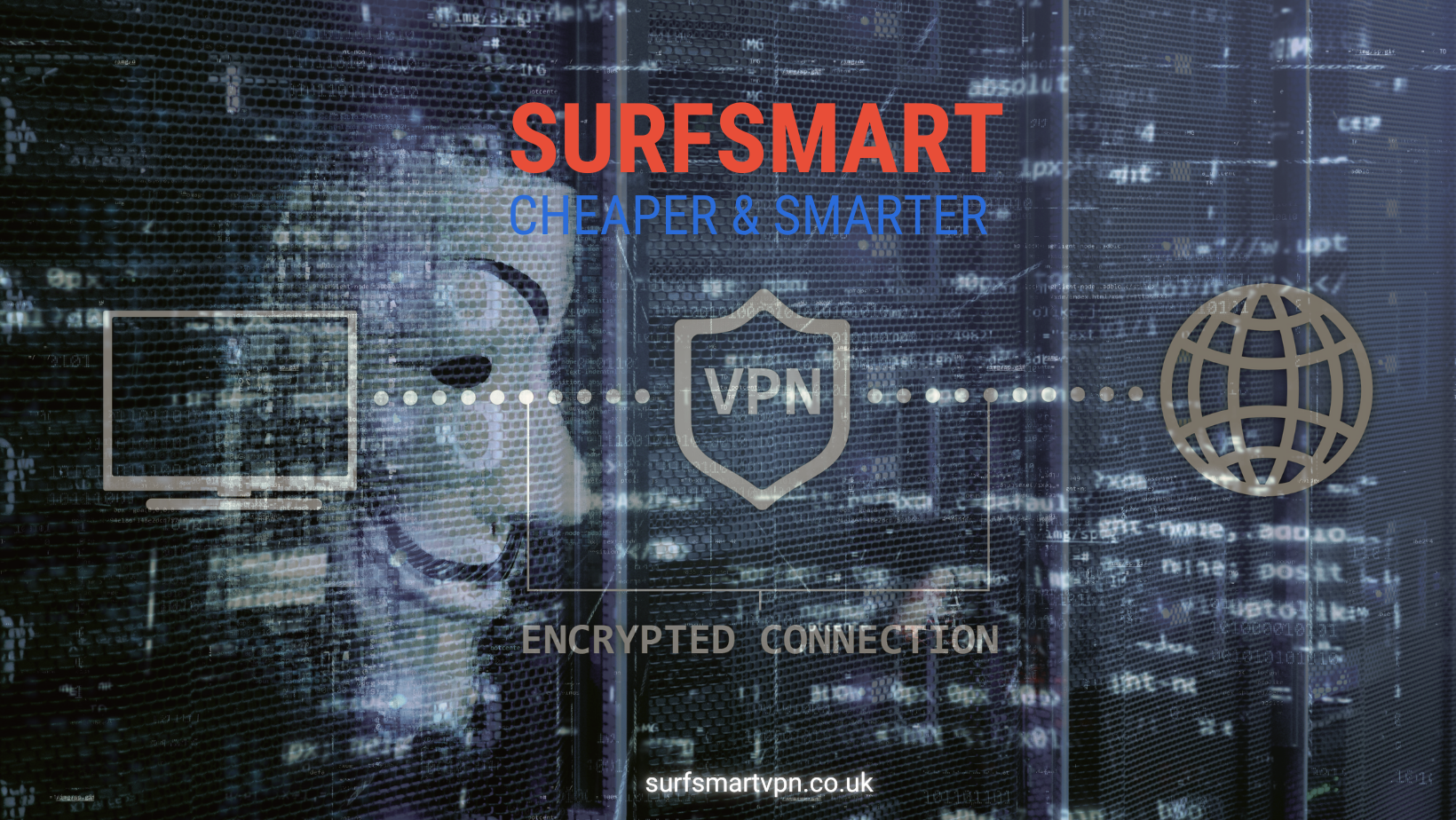
After connecting, visit a website that shows your IP address to confirm that your real IP has been masked. This step will help you verify that your VPN is effectively encrypting your connection and hiding your true identity online. If the displayed IP address matches the one of the VPN server you connected to, your VPN is functioning correctly.
Additionally, you can run a speed test to check the performance of your connection while using the VPN. Some users may experience a decrease in speed due to the encryption process, but a quality VPN should minimize this impact. Ensuring that your VPN gives you a stable, reliable connection is essential for enjoying secure browsing, especially when using public WiFi networks.
Benefits of Using a VPN
One of the primary benefits of using a VPN is that it encrypts your connection, providing an added layer of security for your online activities. This encryption ensures that your data remains private and is not easily accessible to hackers or other malicious entities, especially when using public WiFi networks. With a VPN, your browsing information, personal details, and sensitive data are protected, offering peace of mind as you navigate the internet.
Another advantage is the ability to bypass geographical restrictions. Many streaming services and websites restrict content based on location. A VPN allows you to connect to servers in different countries, enabling you to access region-locked content and enjoy a more diverse online experience. This flexibility can enhance your internet usage, making it more enjoyable and complete.
Lastly, a VPN can help maintain your online anonymity. By masking your IP address, a VPN makes it difficult for advertisers, websites, and even your internet service provider to track your browsing habits. This anonymity can lead to a more personalized and secure internet experience, as you can browse freely without being constantly targeted by advertising or surveillance.
Common Misconceptions About VPNs
Many people believe that VPNs are only necessary for those engaged in illegal activities. This misconception can discourage individuals from utilizing a VPN for legitimate reasons. In reality, VPNs promote privacy and security for anyone who values their personal data, whether they are browsing social media or shopping online. Using a VPN can protect your sensitive information from potential breaches, regardless of your internet activities.
Another common myth is that using a VPN guarantees complete anonymity online. While a VPN encrypts your connection and hides your IP address from prying eyes, it does not make you completely anonymous. Other factors, such as your browsing habits and the websites you visit, can still expose your identity. Understanding the extent of a VPN's protection is crucial for anyone looking to enhance their online security.
Finally, some users think that setting up a VPN is a complicated process that requires technical expertise. However, many VPN providers offer user-friendly applications that make installation straightforward. With a 24-hour free trial, you can easily install your VPN and explore its features without any hassle. This accessibility allows everyone to enjoy the benefits of an encrypted connection while browsing the internet.
Maximizing Your 24-Hour Trial
To get the most out of your 24-hour free VPN trial, start by exploring all of its features thoroughly. Take the time to install your VPN on multiple devices, such as your laptop, smartphone, and tablet. This will allow you to experience encrypted internet protection across all your platforms, ensuring your personal data remains secure while browsing. Test the performance of the VPN in different locations and on various networks, especially public WiFi, to see how it enhances your security.
Next, take advantage of the VPN's ability to encrypt your connection by engaging in your usual online activities. Stream content, download files, and visit sites that require personal information. Monitor how the VPN affects your internet speed and if you encounter any issues. This real-world usage will help you assess whether the VPN meets your needs for privacy and security before committing to a subscription.
Lastly, during your trial, make sure to reach out to customer support with any questions or concerns you may have. A reputable VPN service will often provide excellent support to help you understand how it works and how best to utilize its features. This can significantly enhance your experience and ensure that you know exactly what you're getting into when you choose to move forward with a subscription.